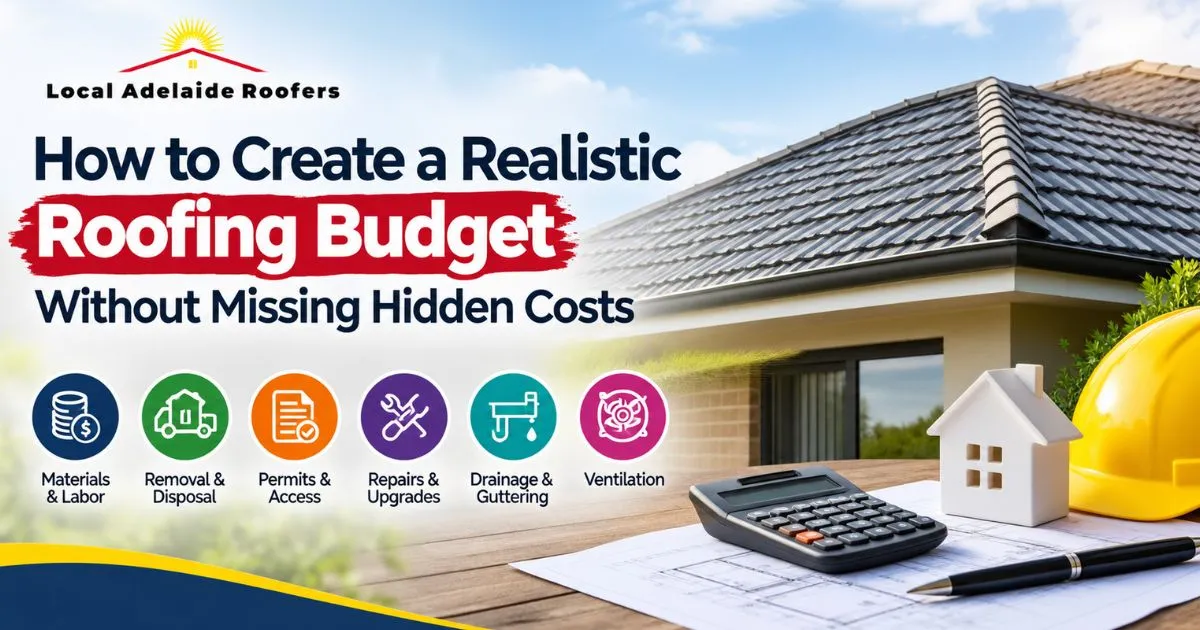
The roof is usually viewed as just another structure above the building, but planning the cost of its renovation will bring to light many expenses. Planning a roof replacement in Adelaide project requires more than estimating materials and labor; homeowners also need to consider removal, disposal, access, permits, and possible repairs that may only become visible once work begins. Starting with a realistic estimate can help prevent unpleasant financial surprises later.
There may be unforeseen costs that result from problems such as deterioration of roof decking, damage to the flashing, poor ventilation, drainage issues, or labor costs arising from difficult conditions at the site. Budgeting for contingency funds, together with your primary budget, will protect you against any surprises. This way, homeowners will be able to make an informed budget for their roof installation projects.
Various Ways to Create a Realistic Roofing Budget Without Hidden Costs
When determining your roofing budget, you will need to consider much more than just the quote provided. This can ensure that you make wise decisions when taking into account other costs like repair, removal, and labor.
Start with the full scope of the project
Think about the work to be done before even considering the money involved. While a repair job and a roof replacement may appear the same from your driveway, the two jobs have significantly different budgets. Find out what areas are going to be torn out, replaced, fixed, or upgraded.
Get more than one detailed quote
One quote will provide you with the price, but several detailed quotes will provide you with the background. In the case of comparing different estimates provided by the Roofing Company in Adelaide, it is worth looking not only at the final number, but at what exactly goes into each estimate.
Check the roof deck for damage
One unexpected cost when changing a roof is the state of the structure below the existing roof after its removal. It is similar to taking up an existing carpet to find out that the floor is damaged and requires repairs. Without removing the existing material, it is difficult to know the actual state of the underlying materials. It means that it is wise to allocate some money from the budget for repairing the wood or deck that may be revealed at the time of replacement.
Budget for guttering and drainage
Even when you replace the roof, it is necessary to have a proper drainage system that will help to keep water from getting into your home. You need to have gutters, downpipes, valleys, and drainage points. While installing a new roof, it is recommended that you inspect these elements to see whether they need to be fixed. Water collecting around the roof and overflowing during rainfall are signs that the drainage system needs repair. This will help you avoid extra costs and prevent any damage caused by water.
Do not forget ventilation
Proper ventilation in the roof is an important aspect of maintaining the house, which is usually neglected. The consequences of neglecting it are moisture accumulation, extra attic heat, and early wear of the roof, causing unnecessary expenditures and energy inefficiency. If the system in your house is not sufficient or outdated, focus on upgrading it. Allocate funds for installing or improving the vents, considering them an indispensable element of the roofing process.
Conclusion
A realistic roof budget goes past the cost stated. By factoring in repairs that are not visible, removing an old roof, labor costs, and other hidden fees, you will have no hidden surprises.