
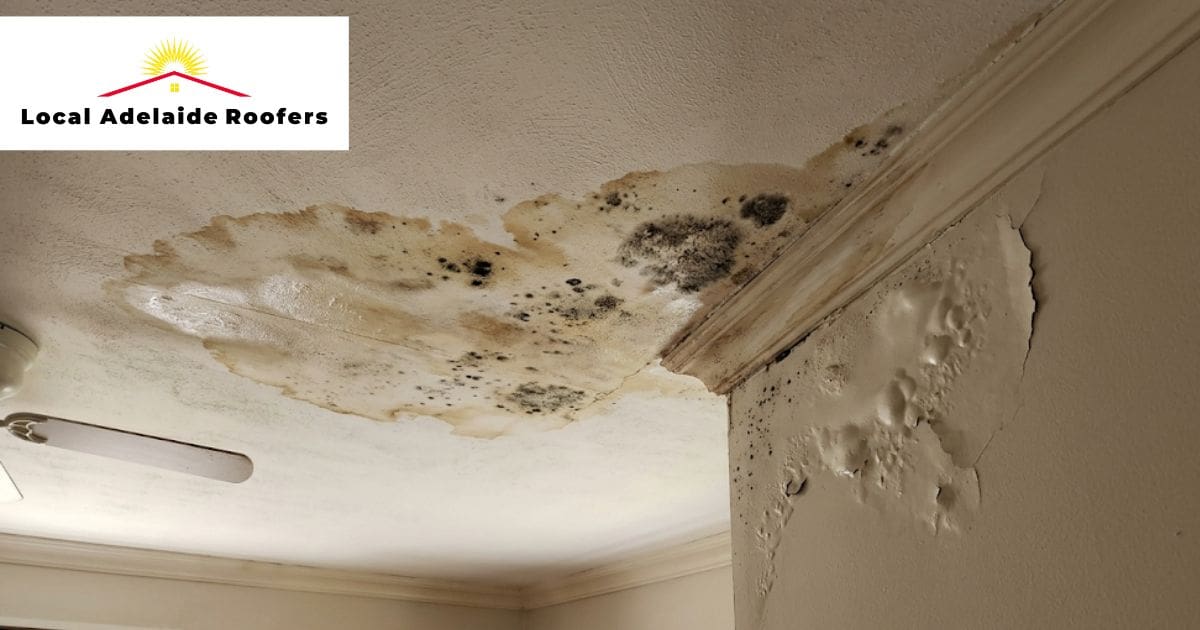
Mould growth from roof leaks might start early, and it is left unnoticed by homeowners. According to industry insights, a major portion of mould growth stems from preventable causes, such as untreated water damage and small leaks, especially in older properties. Moreover, the Australian Institute of Health and Welfare (AIHW) highlights water leakage through roof cracks as a primary cause for mould growth.
But do you ever realize how you should prevent mould growth? The answer lies in the professional support of Adelaide roofing services, which can address roof-related issues early and ensure the safety of the entire building.
Let’s explore this blog to understand how mould growth from roof leakage and vital signs you should focus on.
How Mould Grows from Roof Leakage
Mould grows mainly in moisture-laden, dark areas; thus, a hidden roof leak actually invites mould. When water seeps through damaged tiles or cracks, it does not dry out quickly. Over time, it gets trapped in the ceiling, walls, and insulation.
After a certain time, this hidden moisture becomes the breeding ground for mould, and without your notice, it starts spreading. According to 2023 building inspection reports, mould can develop in the roof within 24 to 48 hours in damp conditions.
Early Signs of Mould Occurred Due to Roof Leakage
In this section, we will discuss the early signs of mould caused by roof leakage.
1. Persistent musty odor
One of the most noticeable signs of mould growth is a damp and musty smell. If you cannot find any visible mould yet, but the smell indicates that your roof is already affected by mould.
2. Water stains on ceilings and walls
Brown and yellowish stains are a clear indication of mould growth. These patches mainly grow after rain and promote mould growth.
3. Peeling paint
When moisture is trapped beneath the roof surface, it can cause paint to peel. It does not indicate the presence of mould growth; rather, it shows that water has been sitting there for a long time.
4. Visible mould spots
Black or grey patches on the ceiling and walls are evidence of mould growth. When you see these spots, the mold has already spread through a broader surface. At this point, you can hire a professional service for tiled roof restoration Adelaide to install roof tiles and prevent roof leakage and mould growth.
5. Increase in allergy symptoms
If you or your family members notice frequent sneezing and respiratory discomfort, mould can be the hidden cause. Poor indoor air quality is often linked to mould growth.
6. Damp ceiling areas
A damp ceiling is a major warning sign of mould growth. It indicates structural damage through the mould growth in the ceiling.
Conclusion
It is true that mould caused by roof leakage does not occur overnight. If you see any early signs of mould growth in your home, take the necessary action; otherwise, it can cause major structural damage. In such cases, if you require a trusted roofing expert to solve the roof leakage problem and prevent mould growth, you can contact Local Adelaide Roofers. We ensure a professional range of roof repair services at an affordable price.